
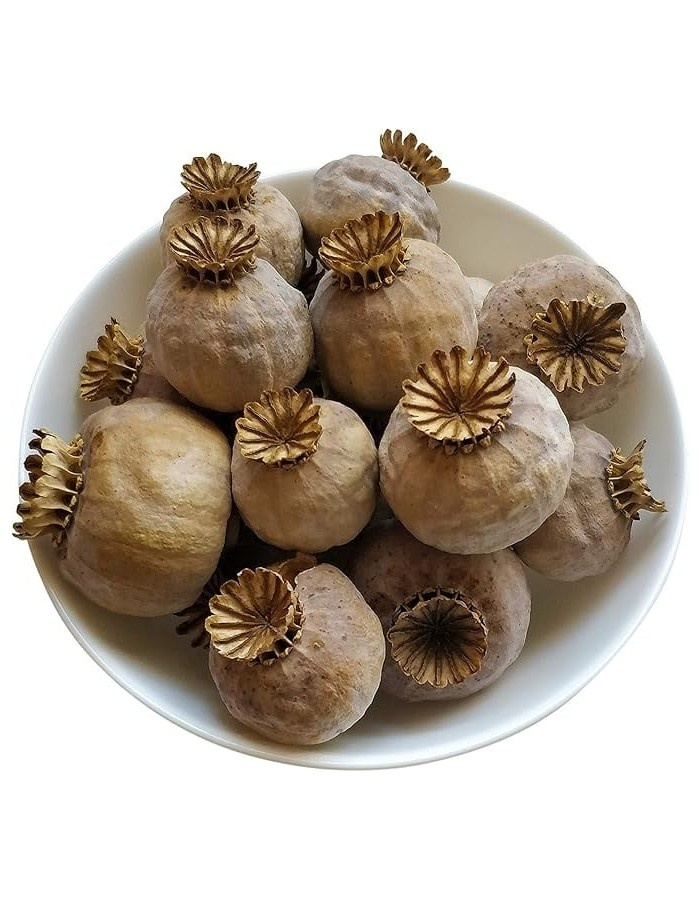
Austrian poppy heads have long been associated with the cultivation of the opium poppy (Papaver somniferum), a plant that holds significant historical, agricultural, and cultural value across Central Europe. While the plant is widely recognized for producing edible poppy seeds used in traditional cuisine, it is also subject to strict legal regulations because other parts of the plant contain naturally occurring alkaloids.
This article explores the history of poppy cultivation in Austria, the characteristics of poppy heads, their role in agriculture, culinary traditions, decorative applications, and the legal considerations surrounding their cultivation and use.
What Are Poppy Heads?
Poppy heads are the rounded seed capsules that develop after the petals of the poppy flower fall away. As the capsule matures, it contains hundreds of tiny seeds that are commonly harvested for culinary use.
The opium poppy (Papaver somniferum) produces:
- Beautiful white, pink, purple, or red flowers
- Distinctive spherical seed capsules
- Tiny edible seeds used in baking and cooking
The seed capsules themselves are often appreciated for their unique appearance and are frequently used in dried floral arrangements.
The History of Poppy Cultivation in Austria
Austria has cultivated poppies for centuries. Farmers traditionally grew them for their nutritious seeds, which became an essential ingredient in regional recipes and baked goods.
Historic records indicate that poppies were an important crop in many rural communities due to their adaptability and economic value. Today, Austrian agriculture continues to emphasize high-quality food-grade poppy seeds while operating within national and European regulations.
Characteristics of Austrian Poppy Heads
Austrian-grown poppy heads are generally known for their:
- Uniform shape
- Strong seed production
- Attractive natural appearance
- Durable structure when dried
These characteristics make them valuable for agricultural research, botanical studies, and decorative purposes.
Culinary Importance of Poppy Seeds
Although the seed capsules attract attention, it is the seeds inside that have become a staple ingredient in Austrian cuisine.
Popular culinary uses include:
- Traditional pastries
- Cakes
- Bread toppings
- Noodles
- Desserts
- Sweet fillings
- Salad dressings
Poppy seeds provide:
- Dietary fiber
- Healthy fats
- Plant protein
- Calcium
- Iron
- Magnesium
Their mild, nutty flavor complements both sweet and savory dishes.
Decorative Uses
Once harvested and properly dried, poppy heads are often incorporated into decorative displays. Their natural texture and unique shape make them a favorite among florists and craft enthusiasts.
Common decorative applications include:
- Dried flower bouquets
- Seasonal wreaths
- Rustic home décor
- Floral centerpieces
- Botanical displays
- Art projects
Their long-lasting appearance allows them to remain visually appealing for extended periods.
Agricultural Significance
Poppy cultivation contributes to agricultural diversity by providing farmers with an alternative crop suitable for various climates and soil conditions.
Responsible farming practices focus on:
- Sustainable cultivation
- Crop rotation
- Soil health
- Efficient harvesting
- Quality seed production
These practices support long-term agricultural productivity while maintaining environmental responsibility.
Legal Considerations
The cultivation and handling of Papaver somniferum are regulated in many countries, including Austria. Laws differ depending on the intended purpose, local regulations, and applicable licensing requirements.
Anyone interested in growing or studying poppies should consult the relevant authorities to ensure compliance with national and local laws.
Environmental Benefits
Like many flowering plants, poppies can contribute to biodiversity by attracting pollinating insects such as bees.
Responsible cultivation practices may support:
- Pollinator activity
- Healthy ecosystems
- Crop diversity
- Sustainable farming landscapes
Interesting Facts About Austrian Poppies
- Austria has a long tradition of cultivating poppies for culinary seeds.
- Poppy seeds are naturally rich in minerals and healthy fats.
- The flowers bloom in a variety of vibrant colors.
- Mature seed capsules are commonly used in floral arrangements.
- Poppies have been cultivated across Europe for hundreds of years.
Conclusion
Austrian poppy heads represent an important part of the country’s agricultural and cultural heritage. While the edible seeds are widely appreciated in traditional cuisine, the plant is also valued for its ornamental beauty and historical significance. Because Papaver somniferum is subject to legal regulation in many jurisdictions, cultivation and handling should always comply with applicable laws.
Understanding the botanical, historical, and cultural aspects of Austrian poppies helps highlight their legitimate role in agriculture, cuisine, and decorative arts while emphasizing the importance of responsible and lawful use.