Dutch poppy heads Bradford have become a popular choice for homeowners, florists, interior designers, and craft enthusiasts who appreciate timeless natural décor. Their unique shape, earthy texture, and rustic charm make them an excellent decorative element for a wide range of interior styles. Whether displayed in a modern living room, a farmhouse-inspired kitchen, or a minimalist office, Dutch poppy heads add warmth, sophistication, and a touch of nature to any space.
Known for their long-lasting beauty, dried Dutch poppy heads require very little maintenance while offering year-round decorative appeal. They are frequently used in dried flower arrangements, wreaths, table centrepieces, and seasonal decorations.
In this guide, we’ll explore everything you need to know about Dutch poppy heads, including their features, benefits, decorating ideas, care tips, and why they continue to be a favourite among interior decorators.
What Are Dutch Poppy Heads?
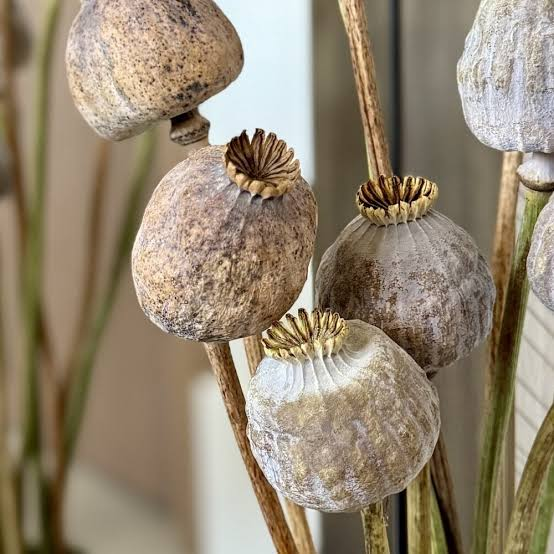
Dutch poppy heads are the dried seed capsules of poppy flowers, carefully harvested and naturally dried to preserve their distinctive appearance. Originating from expertly cultivated fields, these decorative seed pods are valued for their symmetrical shape, textured surface, and natural earthy colours.
Unlike fresh flowers that fade within days, dried poppy heads can maintain their attractive appearance for months or even years when properly cared for.
Why Choose Dutch Poppy Heads?
There are several reasons why Dutch poppy heads have become one of the most sought-after natural decorative products.
Timeless Appearance
Their elegant, sculptural form complements both traditional and contemporary interiors.
Long-Lasting Beauty
Unlike fresh floral arrangements, dried poppy heads retain their shape without requiring water or regular maintenance.
Eco-Friendly Décor
Natural dried botanicals are a sustainable alternative to artificial decorations, making them an environmentally conscious choice.
Versatile Styling
Dutch poppy heads work beautifully in:
- Living rooms
- Bedrooms
- Dining tables
- Reception areas
- Hotels
- Restaurants
- Wedding venues
- Retail displays
- Photography styling
Popular Uses for Dutch Poppy Heads
Home Decoration
Many homeowners use Dutch poppy heads in decorative vases to create elegant centrepieces. Their neutral colour palette blends seamlessly with wood, glass, ceramic, and metal décor.
Wedding Decorations
Rustic weddings frequently feature dried botanicals, and Dutch poppy heads add natural texture to:
- Bridal bouquets
- Wedding arches
- Table centrepieces
- Ceremony backdrops
- Floral installations
Seasonal Displays
They work perfectly with autumn leaves, dried grasses, eucalyptus, and pampas grass for cosy seasonal arrangements.
Floral Design
Professional florists often incorporate dried poppy heads into long-lasting bouquets that require virtually no maintenance.
DIY Craft Projects
Creative enthusiasts use Dutch poppy heads for:
- Handmade wreaths
- Wall art
- Candle displays
- Holiday decorations
- Gift wrapping accents
- Decorative garlands
Benefits of Decorating with Dutch Poppy Heads
Low Maintenance
No watering, trimming, or sunlight is required.
Durable
With proper care, dried poppy heads can remain attractive for years.
Cost-Effective
Since they last significantly longer than fresh flowers, they offer excellent value for money.
Natural Texture
They introduce warmth and organic texture that complements various interior styles.
Unique Character
Each poppy head has its own natural shape and subtle colour variations, making every arrangement distinctive.
Interior Design Styles That Pair Perfectly
Dutch poppy heads complement numerous décor themes.
Scandinavian Style
Their soft, natural appearance blends beautifully with neutral colour palettes and minimalist furniture.
Rustic Farmhouse
Wooden furniture, linen fabrics, and dried botanicals create a cosy countryside atmosphere.
Bohemian Décor
Pair poppy heads with pampas grass, dried palms, and woven baskets for a relaxed boho aesthetic.
Modern Minimalism
A simple glass vase filled with Dutch poppy heads creates an understated yet elegant focal point.
Industrial Interiors
Concrete walls, black metal accents, and natural dried botanicals create an attractive design contrast.
How to Style Dutch Poppy Heads
Creating beautiful arrangements is simple.
Tall Glass Vase
Place several long-stemmed poppy heads in a clear vase for a clean, modern display.
Mixed Dried Bouquet
Combine with:
- Pampas grass
- Bunny tails
- Dried eucalyptus
- Wheat stems
- Cotton branches
- Preserved flowers
Coffee Table Display
Arrange a few stems in a ceramic vase to create a subtle decorative centrepiece.
Fireplace Mantel
Mix poppy heads with candles and seasonal greenery for an elegant mantel arrangement.
Dining Table
Use them in a rustic wooden tray alongside candles and decorative stones.
Caring for Dutch Poppy Heads
Proper care helps preserve their appearance.
Keep Them Dry
Avoid placing them in water.
Avoid Direct Sunlight
Prolonged UV exposure may gradually fade their natural colour.
Handle Carefully
Although durable, dried botanicals can become fragile if dropped.
Dust Occasionally
Use a soft brush or gentle air blower to remove dust.
Store Properly
When not in use, keep them in a cool, dry environment.
Why Interior Designers Love Dutch Poppy Heads
Professional designers appreciate dried botanicals because they:
- Add texture
- Create visual interest
- Complement neutral interiors
- Require almost no maintenance
- Work in every season
- Suit both residential and commercial spaces
Dutch poppy heads effortlessly enhance modern styling while maintaining a timeless appeal.
Sustainable Decorating Choice
As sustainability becomes increasingly important, many homeowners are replacing artificial decorations with natural dried botanicals.
Dutch poppy heads offer several environmental advantages:
- Biodegradable
- Long lifespan
- Minimal maintenance
- Reduced waste compared to fresh flowers
- Natural materials with timeless appeal
Their durability makes them an excellent investment for eco-conscious decorating.
Choosing High-Quality Dutch Poppy Heads
When purchasing dried poppy heads, look for:
- Uniform size
- Strong stems
- Natural colour
- Minimal damage
- Well-preserved seed pods
- Clean, mould-free appearance
Buying from reputable suppliers ensures you receive carefully harvested and professionally dried products.
Decorative Pairings
Dutch poppy heads pair beautifully with:
- Pampas grass
- Dried lavender
- Preserved eucalyptus
- Cotton stems
- Bunny tails
- Wheat
- Palm leaves
- Dried hydrangeas
- Decorative branches
These combinations create elegant, textured arrangements suitable for every season.
Frequently Asked Questions
How long do Dutch poppy heads last?
With proper care, they can remain attractive for several years.
Do Dutch poppy heads require watering?
No. They are dried botanicals and should always be kept dry.
Can they be used outdoors?
They are best suited for indoor use, as prolonged exposure to rain and humidity can damage them.
Are Dutch poppy heads suitable for weddings?
Yes. They are widely used in rustic, vintage, bohemian, and natural-themed weddings.
Can they be mixed with fresh flowers?
Yes. They create stunning floral arrangements when combined with both fresh and dried flowers.
Conclusion
Dutch poppy heads are a stylish, sustainable, and versatile decorative element that brings natural elegance to any interior. Their distinctive appearance, long-lasting durability, and minimal maintenance make them an excellent choice for homeowners, florists, event planners, and interior designers alike.
Whether you’re creating a rustic bouquet, enhancing your living room with a modern arrangement, or designing memorable wedding décor, Dutch poppy heads offer timeless beauty that lasts far beyond traditional fresh flowers. By choosing high-quality dried botanicals and caring for them properly, you can enjoy their unique charm for years while adding warmth, texture, and sophistication to your space.